
Across North America, engineers and municipalities are turning to underground stormwater management systems to conserve water and build more resilient communities. These innovations don’t just store water. They protect it, clean it, and return it to the natural cycle in a more sustainable way.
Why Water Conservation Is Moving Below the Surface 
Surface‑level stormwater ponds have long been the default solution, but they come with limitations. They require large amounts of land, lose water to evaporation, and often struggle to keep pace with extreme weather. Underground systems address these challenges by shifting water management to engineered subsurface structures that operate continuously and remain out of sight.
These systems offer benefits that extend far beyond storage, including:
- Enhanced water quality through filtration and pollutant removal, helping protect urban waterways.
- Flood mitigation and erosion control by regulating stormwater flow during heavy rainfall.
- Groundwater recharge in systems designed to allow infiltration back into the natural water cycle.
Three Underground Systems Shaping the Future of Water Conservation
1. Infiltration Systems: Replenishing Groundwater Naturally
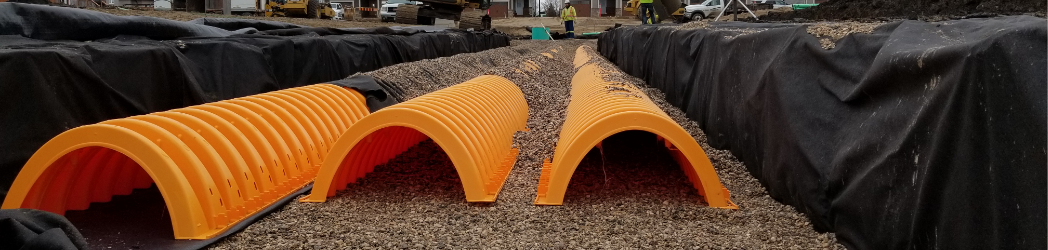
Infiltration systems allow stormwater to seep into the ground, supported by filter fabrics and granular layers that stabilize the structure and prevent contamination.
These systems help restore groundwater levels, reduce runoff, and maintain the natural water cycle. All critical benefits as drought conditions intensify across many regions.
2. Retention Systems: Storing Water for Reuse
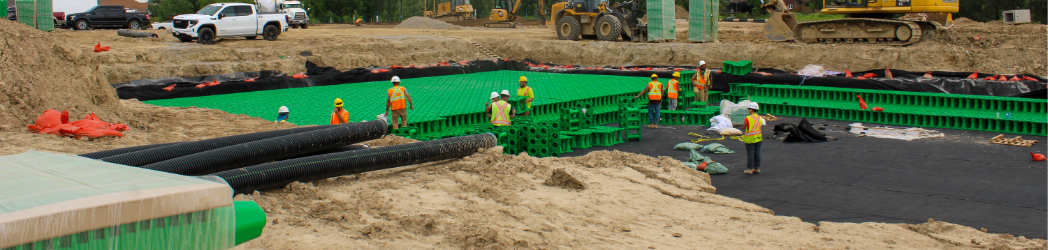
Retention systems use impermeable geomembranes to hold water without allowing infiltration. This approach is commonly used for rainwater harvesting, irrigation supply, or projects where groundwater contamination risks must be carefully managed.
These systems reliably capture and reuse lost rainfall, addressing growing water scarcity.
3. Detention Systems: Reducing Flood Risk
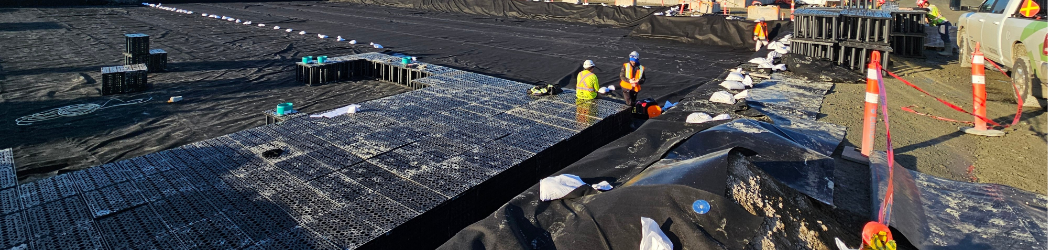
Detention systems temporarily store stormwater and release it gradually into downstream infrastructure, reducing peak runoff and easing pressure on municipal drainage networks.
As extreme rainfall events increase, detention systems are vital for communities to manage stormwater and mitigate flood risk.
Why Underground Systems Are Critical for Urban Growth
Cities are expanding upward and outward, but available land is shrinking. Underground stormwater systems help address this challenge by moving critical water infrastructure underground, freeing up surface space for parks, recreation, and development. All while still delivering high‑performance water management.
Additional urban benefits include:
- Reduced heat island effect when surface areas are replaced with vegetation instead of open ponds.
- Improved flood resilience through controlled stormwater storage and release.
- Cleaner waterways thanks to reduced sediment and pollutant runoff.
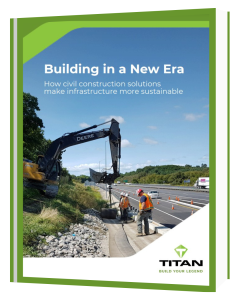
To learn more about sustainable solutions, check out our guide here.
A Smarter, More Sustainable Water Future
The future of water conservation is already taking shape beneath our feet. Underground stormwater systems offer exactly what communities need as environmental pressures intensify.
These systems fundamentally reshape sustainable water management by simultaneously capturing water at its source, enhancing water quality, and mitigating flood risk.
If you’re exploring sustainable projects, contact our team today to learn more.